
Bean there, done that: the science of coffee
We have probably all heard that coffee, or caffeine, is addictive. We have all been told that drinking coffee is a bad thing and all in all that caffeine has negative effects on the brain. But is it true? Well, to properly get to the bottom of this debacle, it is important to understand what caffeine actually does to the brain.
What is caffeine?
There is such a close link between coffee and caffeine that it can be hard to separate the two. However, it is important to understand that caffeine is not just found in coffee, but in some teas, foods and other drinks including energy drinks. But what is it really?
Caffeine is a chemical that affects our brains
It increases alertness by reacting with another chemical called adenocine.
Throughout the day, our brain cells produce this chemical as a byproduct and as it builds up in the brain, it causes tiredness.
Caffeine makes us more alert by latching on to adenocine receptors but not activating them.
This means that the brain thinks there is less adenocine than there actually is, making us more alert.
Caffeine also increases the production of certain chemicals that increase alertness and focus.
Reinforcing not rewarding
Caffeine also has another effect which has been the source of the misconception about it being addictive. Most addictive substances are seen as a reward, something a person consciously recognizes as pleasant. Caffeine does not do this. Instead, it does what is called reinforcing. This strengthens behaviour, often subconsciously or without being noticed.
Caffeine does this through its interactions with dopamine, the brain’s reward hormone. Firstly, it increases the production of dopamine in certain parts of the brain responsible for alertness and clarity of thought. This is different to most addictive substances because the reward system triggered is in a different part of the brain. Caffeine also increases the number of dopamine receptors in certain areas of the brain. This means that when another positive event occurs, there are more receptors so the enjoyment of that event is amplified.
What this means
Now we know what caffeine does to the brain, but what does this actually mean? Well, the way it interacts with the reward system means that it makes you like the circumstances surrounding the source of caffeine more. For example, if you drink coffee from a particular mug, or go to a particular cafe, the caffeine and dopamine will make you prefer those surroundings as you associate them with the positive effects of the caffeine on the brain. So, caffeine itself is not addictive, but what could have caused the misconception? Well, about two-thirds of people add sugar to their coffee and all energy drinks contain sugar. Sugar is known to be addictive and causes the same effects on the brain as some of the worst drugs. Knowing how caffeine can make you like the circumstances around consuming it shows that having sugar in coffee would amplify the effects of the addiction.
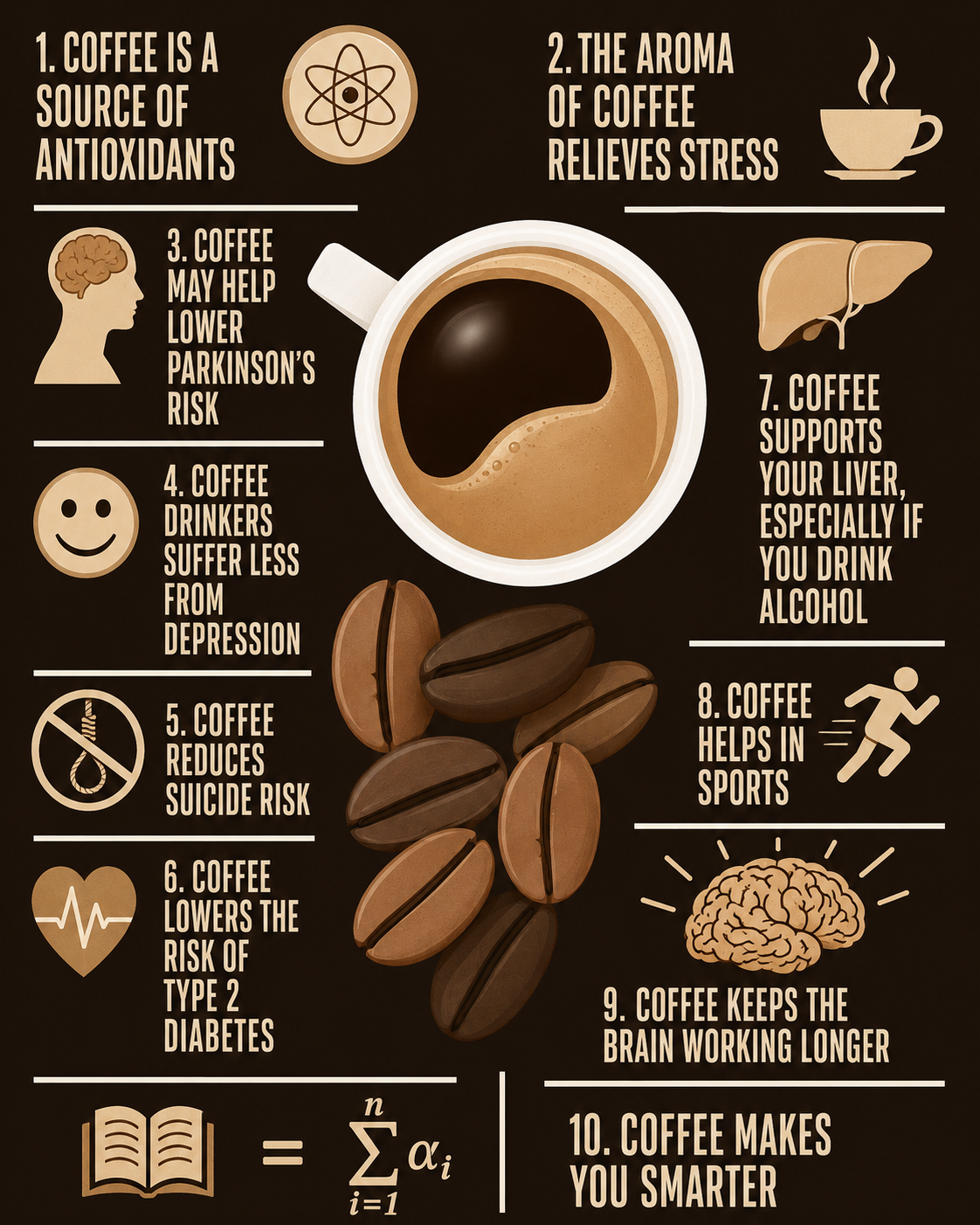
Some other cool facts about coffee you might not have known
